

News
Within the framework of our Erasmus+ project SYNERGY, the first international study visit took place in Cristuru Secuiesc, bringing together participants from Slovakia, Ukraine, Moldova, Georgia, and Romania. The group included youth workers, teachers, and volunteers who came together with a shared goal: to explore effective methods that can reduce youth apathy and strengthen active civic participation.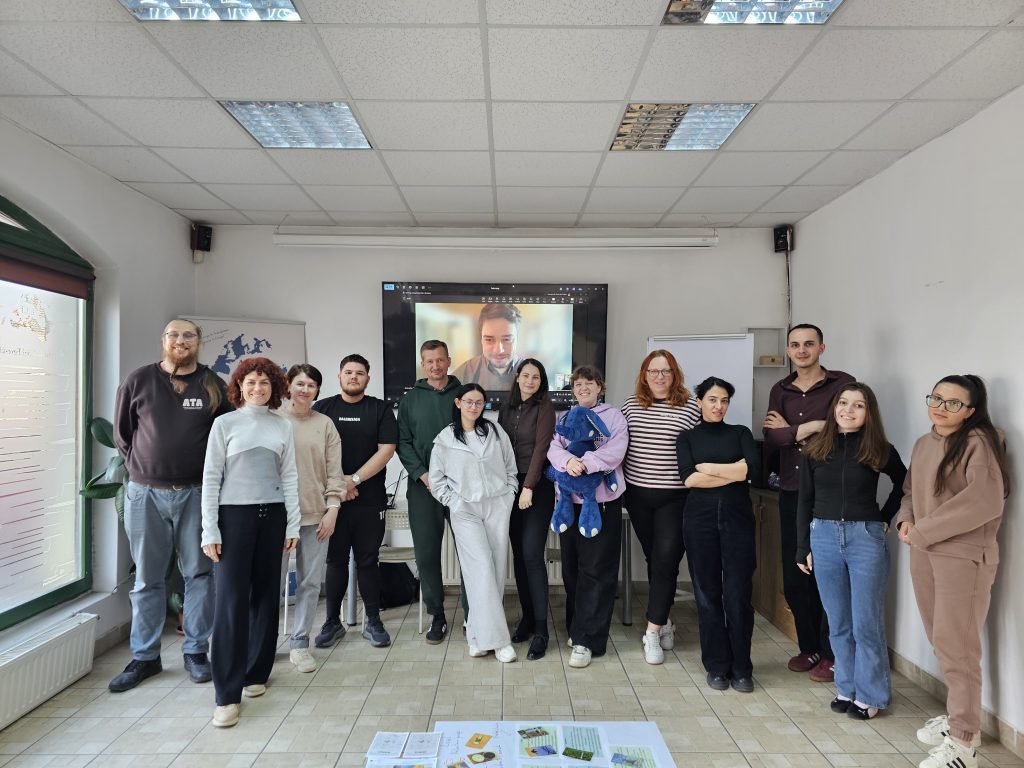
During the study visit, participants had the opportunity to explore three different systems that have already proven successful at the local level. The first was the Local Youth Council, where guests gained direct insight into how young people can represent their interests within structured frameworks and become active actors in local decision-making. Members of the council shared their experiences and presented their work, followed by an open discussion where participants could ask questions.
The second method introduced was the Synergy Group, a local cooperation network that brings together representatives of institutions and organisations to respond to community needs in a coordinated and effective way. Participants found it especially inspiring to see how such collaboration can emerge and how a shared idea can evolve into an international project such as the SYNERGY initiative since itself was born from this team.
The third system presented was the ATA local youth volunteering group, which supports young people through a long-term, structured volunteering process. Participants gained insight into the structure of a one-year volunteering journey and heard first-hand about the experiences, challenges, and successes of the young volunteers. The interactive meeting created a genuine dialogue, offering not only inspiration but also concrete learning points.
Reflective learning also played a key role throughout the programme. Working in national teams, participants analysed the causes of youth apathy in their own countries and communities, then jointly explored possible solutions and adaptable elements from the methods presented. On the final day, alongside summarising the learning process, participants were introduced to the Youthpass framework and began consciously formulating their learning outcomes.
The study visit not only contributed to professional development but also strengthened international cooperation among partner countries. Coordinators held a dedicated project management meeting to discuss next steps, including preparations for the upcoming study visit, which will be hosted by the Georgian partners.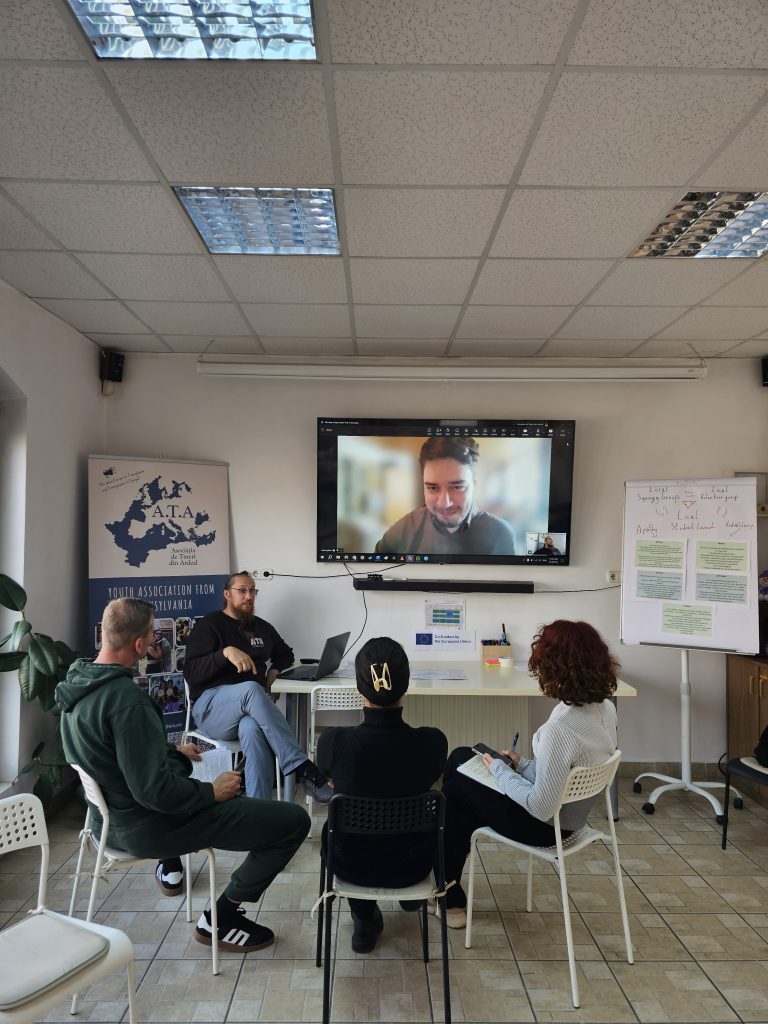
The experiences gained throughout the week confirmed that youth engagement does not depend on a single method, but rather on the cooperation of different actors, long-term processes, and creating real space for young people to participate. The aim of the project is precisely to explore and strengthen this synergy across Central and Eastern Europe.