

Who do we consider disabled? Where are they? Why are we not seeing them in the workplace, in the community or on television and how can we support them, be an ally to their members? These are all questions our brand-new mobility, a Youth Exchange aims to answer.
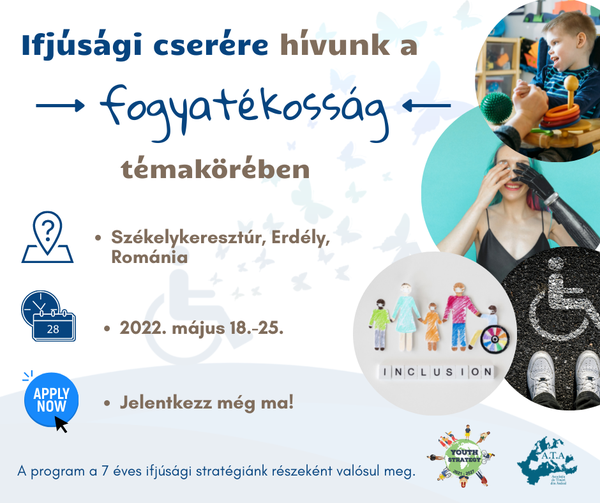
We, as a society are not aware of this colorful community’s needs and wants, how to treat them in a respectful way. This is partially because it is not included into our school education program (though we would strongly argue beside the need of this), but also since it is kind of a taboo to discuss about this openly. We fear being disrespectful, hurtful, and like to concentrate on the aspects we are more comfortable with, instead of actually bettering ourselves and develop skills that can help our community. This is the reason behind our initiation. Our goal is to educate young people about the correct attitude regarding disabilities, ways of approaching these people with respect and inform them about how they can help, support them in their day-to-day life.
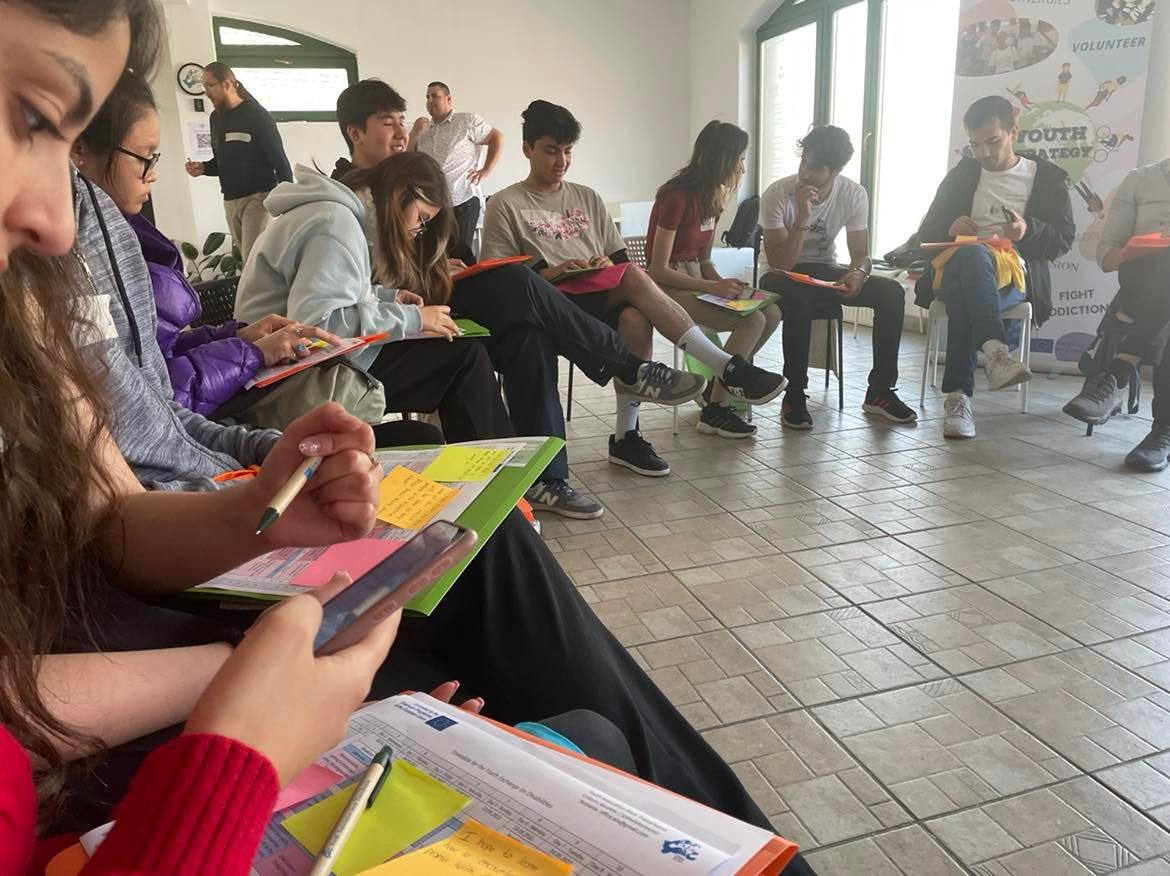
By the end of this mobility our participants will become more sensible regarding disabilities, they will acquire knowledge about the correct behaviour and approach towards this group. Besides these goals, they will also build friendships and put each other through that uncomfortable phase of culture shock before being able to fully appreciate the differences that make us unique and colorful.Thanks to Erasmus+ funding 40 participants from 8 countries, Turkey, Greece, Poland, Italy, Germany, Slovakia, Hungary and Romania were able to visit our small Transylvanian town, Cristuru Secuiesc to learn about the topic using non-formal education methods and real-life experience. The youth are full of energy and are seeking knowledge, we are ready to concour the world and start working. Throughout the 8 days spent together we will be learning from experts like Remus Ilisie, a deaf artist from Romania, Lavinia Chițu, who is a hearing child of deaf adults (CODA) and Filipov-Soó Zsuzsa from the Három Galamb Association. The latter also invited our group to spend a day at their association, where we will be working together with disabled people, playing, singing, and doing some crafts. This will be a great opportunity for us to use the knowledge we obtain throughout the first few days and interact with the disabled.
0