SEARCH
Projects

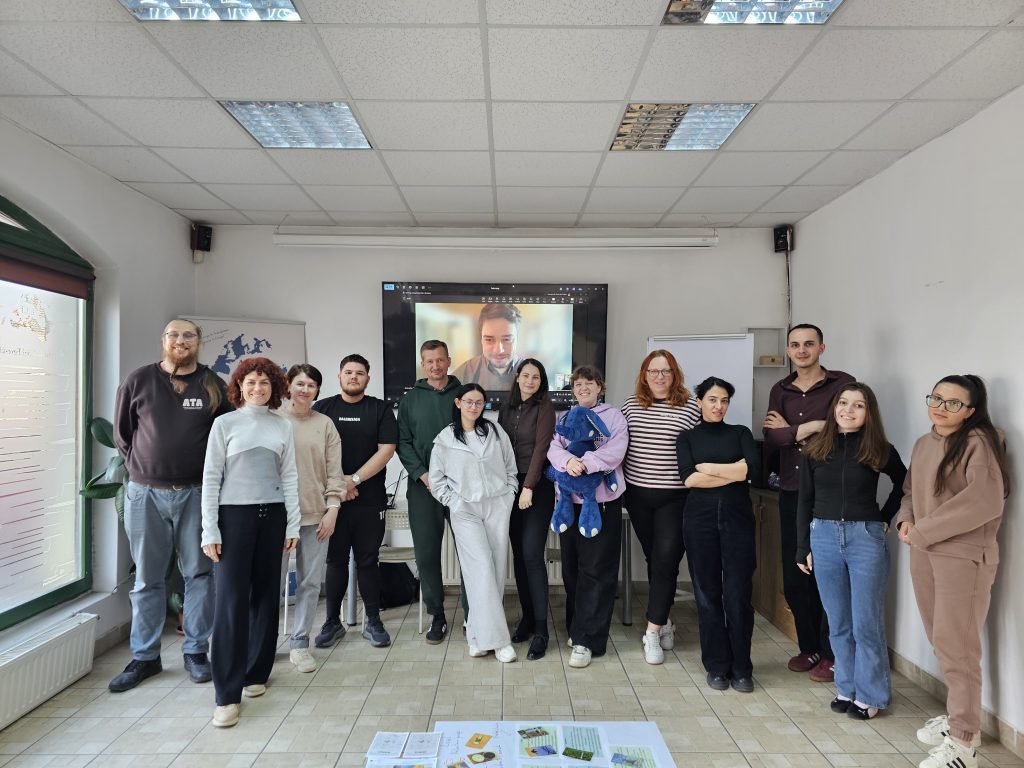
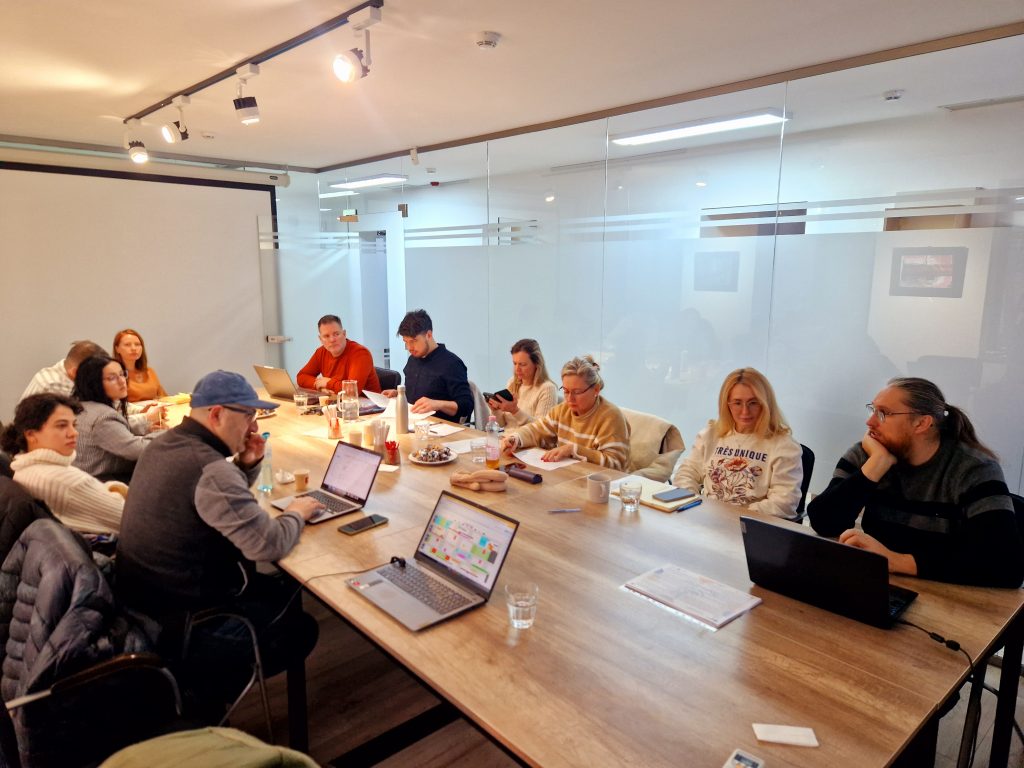
We are proud to announce the start of SYNERGY, officially “Synergy of practices to counter civic apathy among young people in Central and Eastern Europe”, a new Erasmus+ Capacity Building in the field of Youth project coordinated by us, the Youth Association from Transylvania, and implemented together with partners from Slovakia, Hungary, Moldova, Georgia and Ukraine.

These six civil society organisations will work with young people in both EU Member States and the EU’s Eastern Neighbourhood in order to address one of the region’s most pressing challenges: growing civic apathy among young people who feel disconnected from democratic processes, community life and public decision-making. SYNERGY was created as a direct response to these realities, with the overall aim of strengthening the capacity of youth organisations to counter civic apathy and to promote active civic engagement among young people at local level. 


During its implementation, SYNERGY will map, analyse and document existing practices from the sicx partners that help counter civic apathy and foster civic engagement among young people. These practices will be explored in depth through six international study visits hosted by the project partners, giving participants the chance to observe methods directly in their original context and discuss them critically with peers and local stakeholders. The project will then move into a large testing phase in all six countries, where at least 18 practices will be adapted and implemented locally, reaching at least 1200 young people and 300 stakeholders. The results will be consolidated and shared through a best practices publication, 18 adaptation videos, and national and international dissemination events.   


A strong focus of the project is placed on non-formal education, youth empowerment and stakeholder cooperation. SYNERGY will pay special attention to young people from rural and remote areas, minority communities and other groups facing fewer opportunities. By identifying effective practices, testing them in new contexts and making the results available in six languages, the project will strengthen the partner organisations and will create practical resources that can be used by youth workers, educators, local authorities and other organisations across the region and beyond.  


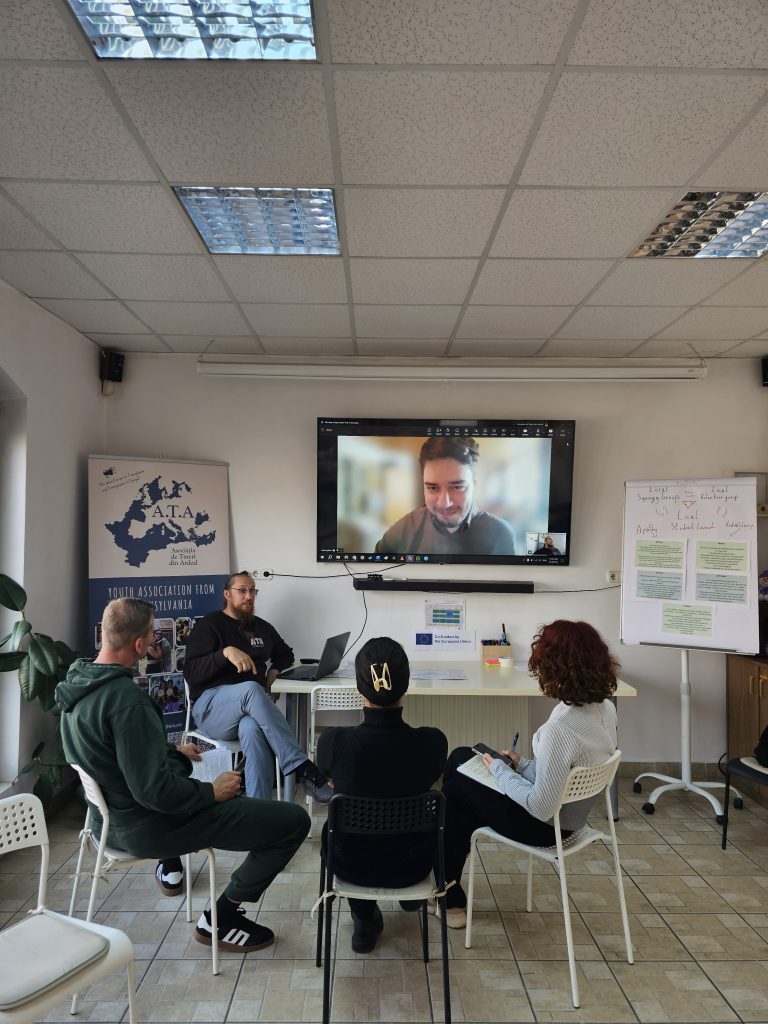
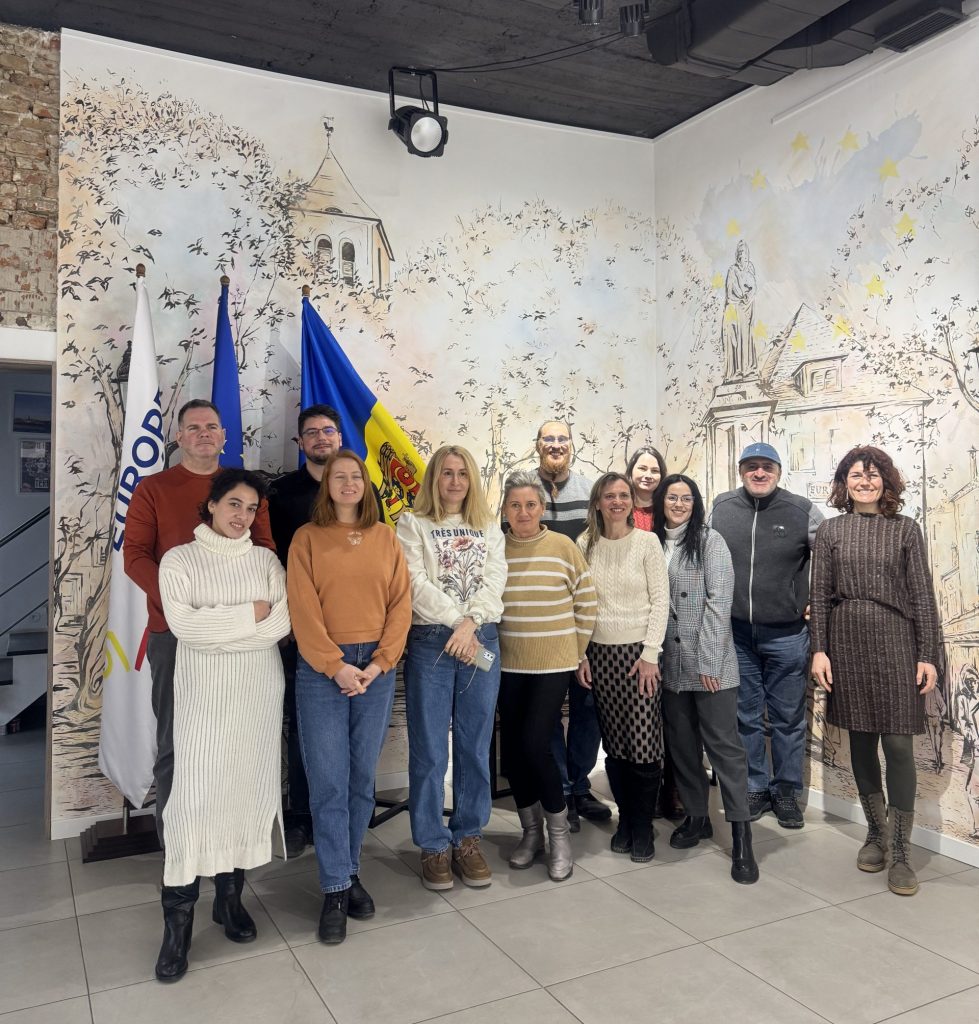
The first official online kick-off meeting of the partnership will take place on the 15th of January, followed by an in-person meeting in Chişinău, Moldova, at the start of February, where partners will review the work plan, align expectations, agree on monitoring and communication procedures, and prepare the upcoming study visits. This marks the beginning of a two-year cooperation process focused on building stronger, more resilient youth organisations and creating better opportunities for young people to participate actively in their communities. 


We are excited to begin this journey together with our partners and to contribute to a region in which more young people feel heard, empowered and ready to shape the future of their communities.

0

News

The training course  aims to strengthen the competencies of youth workers interested in addressing sustainability, food systems, and agroecological practices within their organizations. Held from 14–18 January 2026 in Cerralba–Pizarra near Málaga, Spain, the program combines theoretical inputs, group discussions, field visits, and practical workshops to provide participants with a concrete understanding of environmental challenges and local community-based solutions. The course places particular emphasis on responsible consumption, ecological farming, and rural development, equipping youth workers with tools that can be transferred to their professional contexts.

Accommodation will be provided in a basic communal facility, where all participants will sleep together in a mixed shared room equipped with beds or bunk beds, and with five shared showers available according to an organized schedule. Meals—breakfast, lunch, and dinner—will be delivered by local catering and served on-site, with attention given to dietary needs. Participants are required to contribute a 20 EUR participation fee, which supports the involvement of local producers and the quality of the practical activities. Travel costs are reimbursed according to Erasmus+ distance bands, after all original tickets and documents are submitted, in approximately 1 – 2 months after the project.

Participants are also required to prepare a short presentation about their sending organization, its work, and its local context, which will be shared during the first sessions of the training. The programe also includes an intercultural night, during which each country group is invited to present aspects of their culture through food, stories, music, or other creative elements they wish to share. This evening serves both as an informal learning opportunity and a way to strengthen group cohesion. Overall, the course is designed for youth workers and facilitators who seek to deepen their practical knowledge of sustainability while engaging in collaborative learning within a rural environment. Clear logistical instructions, preparation tasks, and guidance are provided to ensure a smooth and productive experience. Apply here asap!

0

News

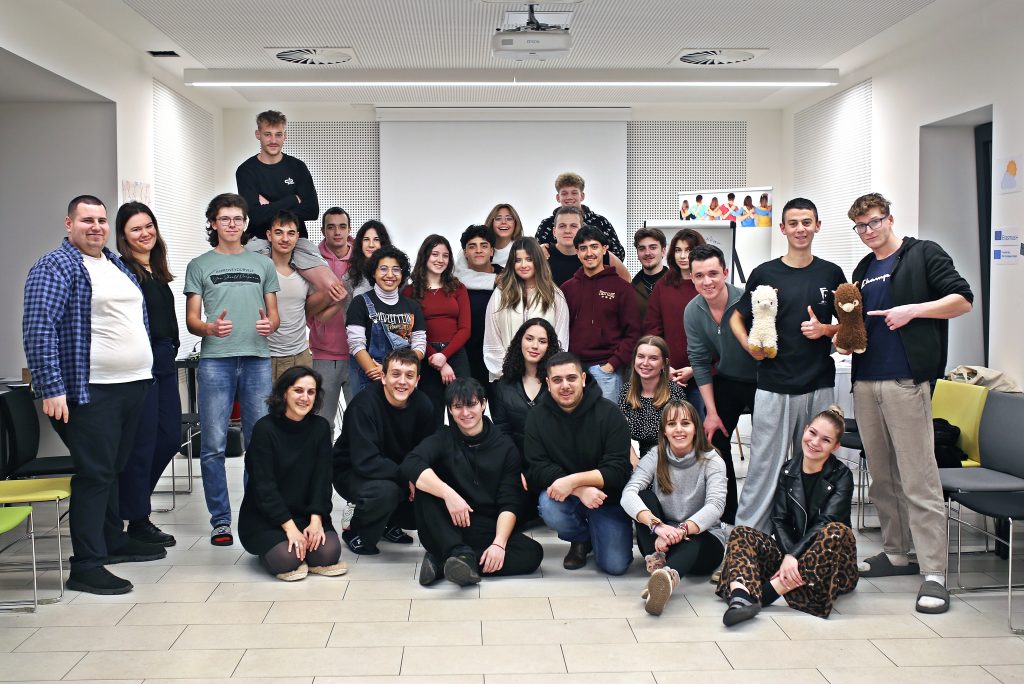
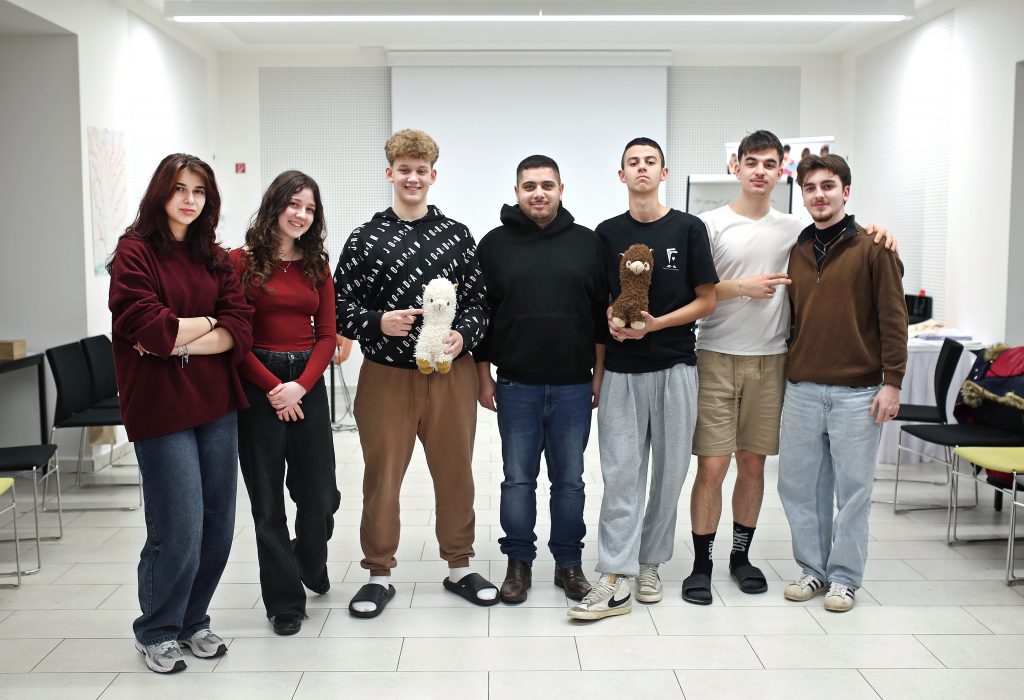
Between November 25 and 26, 2025, Cristuru Secuiesc hosted the final conference of the YouthINC project, bringing together international partners, local youth, educators, and community representatives. The event marked the conclusion of a two-year journey dedicated to discovering invisible local heroes and empowering young people to think critically about inclusion, memory, and community impact.


🌍 Day 1 – International Partner Meeting

On November 25, representatives from Hungary, Germany, Albania, Kosovo and Israel met in Cristuru Secuiesc for the final transnational partner meeting.
The agenda included:

  • reviewing the last administrative and methodological steps
  • evaluating the overall impact of two years of cooperation
  • discussing how the MAKIVI Action and PBL methodology worked in each country
  • preparing the final dissemination tasks and possible future opportunities and ideas


🎙️ Day 2 – Roundtable Discussion and Workshop

The roundtable began with a short introduction of all participants, followed by a structured discussion built around key reflective questions connected to the YouthINC project. The conversation offered deep insights into how communities define “heroes,” why some remain invisible, and how the project shaped young participants.


During the roundtable, participants shared what they had learned while discovering local heroes: that communities are full of diverse, often unnoticed individuals whose quiet contributions shape everyday life. They reflected on how we choose heroes, usually based on community needs and shared values and noted examples of local recognition traditions.


Partners also highlighted how the project strengthened young people’s technical and social skills, as well as their confidence to take action. The discussion touched on everyday, unrecognized heroism found in families, caregivers, or community helpers, and how social context influences who is celebrated. Participants also explored why many heroes remain invisible from safety concerns to lack of awareness, limited recognition circles, or simple jealousy. The roundtable closed with the shared belief that discovering heroes should continue: through more exhibitions, youth activities, and ongoing documentation that keeps these stories alive.

Workshop Connection

Following the roundtable, the workshop reinforced these themes through:

  • a P4C (Philosophy for Children) “Belief Bingo”, opening discussion about values and assumptions
  • a dialogue on the qualities that make life meaningful
  • an artistic activity where participants drew a “hero” and gave them visual traits that represent what society expects or admires


These activities helped deepen critical thinking about inclusion, heroism, and the many forms that community contribution can take.


🏛️
Public Conference & Heroes Exhibition

In the afternoon, we welcomed community members, representatives of local institutions, educators, youth workers, decision-makers and anyone interested in the project and our general work during the year.


The public conference presented all project results, the findings of the MAKIVI Actions, the process of creating digital monuments and the learning journey of young participants.


On the picture you can see one of our local hero, Zsuzsanna Vári

Visitors then had chance to explore the Local Heroes Exhibition, where the stories collected by youth were displayed through posters, descriptions, and QR codes leading to the digital monuments published on IZI.TRAVEL. The exhibition allowed the community to finally meet the people whose quiet, consistent work shapes everyday life.


Thank you to all partners, youth participants, and community members who brought YouthINC to life.

0

News


Between 10-14 November 2025 in Szentendre, coordinated by the Váci SZC Petzelt József Technikum és Szakképző Iskola, the three-year cooperation of six European countries – Hungary, Romania, Lithuania, Italy, Slovakia, and Portugal – started within the framework of the “Awareness of Children’s Rights in Secondary Education – Through Escape Rooms” Erasmus+ project.

The aim of the programme is to make children’s rights understandable and experiential for young people using modern, experience-based methods, especially through the creative and interactive tools of escape rooms.

The teachers and professionals participating in the project became familiar with the common objectives, the responsibilities of each country, and the main milestones of the three-year work plan already on the first day of the meeting.

Escape rooms are a complex yet highly attractive method for young people: they introduce the world of children’s rights in a playful form while developing teamwork, creativity, and problem-solving skills.

First steps of the joint work:

The participating teams arrived on Sunday afternoon at the Mathias Rex guesthouse in Szentendre, which welcomed them with a calm, homely atmosphere. Monday began with a rich breakfast and informal conversations, followed by the official opening where the Hungarian Education Chancellor greeted the international team. The leadership of the Petzelt József Technikum and the key professional partners involved in the implementation of the project were also present at the event.

In the morning the online platform designed for sharing project materials and tasks was introduced. After an overview of children’s rights, the participants tried the first escape room, created on the basis of “The definition of a child” (Article 1 of the UN Convention on the Rights of the Child). The experience, containing quizzes, code-breaking tasks, and playful puzzles, served as inspiration for all countries for the further creative process.

Joint creation – designing escape rooms:

Tuesday was spent in a calm, creative atmosphere: each country began developing its own tasks in smaller groups. The aim was for the partners to contribute unique and inventive elements to the escape room collection being developed. In this spirit, participants worked with the keywords of the 28th children’s right – the right to education (e.g. support, education, equality) – and created new tasks based on their own professional experiences.

On Wednesday the teams presented their completed tasks to each other, and there was also an opportunity to try them out. In the second half of the day the voting for the project’s official logo took place – out of several excellent submissions, the Romanian team’s design received the most votes.

Testing the escape rooms with local students:

The highlight of Thursday’s programme was the practical testing of the tasks. Ten students from the Petzelt József Technikum és Szakképző Iskola participated in the testing, providing real feedback to the teachers on how young people respond to the games they created. The students’ enthusiasm confirmed that the project is heading in the right direction and that the method is indeed suitable for developing children’s rights awareness.

In the afternoon the participants set out to explore Budapest, visiting Buda Castle and the House of Terror Museum. The cultural programme not only enriched the team with historical knowledge but also provided opportunities for informal conversations and for deepening international connections.

Looking ahead: 42 escape rooms in the service of children’s rights!

During the project a total of 42 escape rooms will be created – both in online and offline form – which will be freely available for students and teachers to try in their own institutions.

The emphasis throughout is on collective thinking, creativity, and sharing experiences. It is hoped that by the end of the three-year cooperation a complex pedagogical toolkit will be created that effectively supports schools in teaching children’s rights.

Authors: Melinda Kornis and Borbála Nagy, teachers of the Zeyk Domokos Technological Lyceum.


0

News

Are you ready to build a healthier, more relaxed relationship with food and with yourself? Then join Eat with Confidence, an inspiring Erasmus+ youth exchange taking place from 30 January to 5 February 2026 in the cozy village of Palárikovo, Slovakia. During this week-long adventure, you’ll explore how to enjoy food without guilt or pressure. Guided by a friendly nutritionist, participants will learn how to listen to their bodies, understand hunger cues, and discover that food is not just about calories — it’s about joy, culture, and connection. 

You’ll meet young people from Slovakia, Spain, Portugal and Hungary, forming an open-minded community where everyone can share experiences, challenge stereotypes, and learn together. Don’t worry if your English isn’t perfect — this is a safe and supportive space where communication, laughter, and friendship matter more than grammar!🤝Travel costs will be reimbursed up to 417 € and all accommodation, meals, and activities are fully covered — just make sure to apply by 20 November 2025 here.


0

News

Volunteering is so much more than simply offering help — it’s a journey of connection, understanding, and shared growth. When young people from different cultures come together, something truly special is born: a community shaped by openness, acceptance, and curiosity.

We’re thrilled to announce that our international volunteers have arrived at the Transylvanian Youth Association! 🎉
Last week, we held the Get to Know Each Other Days program, where we explored each other’s stories, fears, and hopes. Together, we created our very own bucket list, filled with exciting plans and shared dreams — trips, workshops, cultural events, and lots of laughter.

This week, our volunteers are taking part in the On-Arrival Training (OAT) program, where they’ll prepare for teamwork, develop new ideas, and learn how to make our community even more vibrant and colorful.

Get ready — the next amazing eight months will be full of projects, events, and unforgettable experiences!

A new international adventure begins now — filled with inspiration, creativity, and heart. 💫

Dear volunteers, welcome to your second home — we’re so glad you’re here! 🤍

0

News

Tomorrow we launch ATA’s newest international youth project!We are filled with excitement and joy as tomorrow marks the beginning of our Youth Exchange on Mental Health in Cristuru Secuiesc, right in the heart of Transylvania.

During the upcoming days, we will welcome young people from Spain, Portugal, Latvia, Slovakia, Hungary, the Czech Republic, and Romania for a week full of learning, sharing, and meaningful connections.

keep reading

0

News

Everything truly is better together!


My name is Andi, I’m a 24-year-old from Székelyudvarhely (Romania), and thanks to the European Solidarity Corps program, I had the chance to take part in an amazing one-month volunteering experience. Together with nine other volunteers, we spent a month helping people struggling with mental health issues and supporting the organization of a festival in the spiritual city of Częstochowa, home of the Black Madonna.

Volunteers came from all over Europe – including Spain, Italy, Ireland and France. I represented Romania, more specifically the youth of Transylvania, through the ATA organization. We volunteered at Oczami Brata, where our daily tasks included visiting the center for people with mental health challenges, getting to know the incredibly warm-hearted and dedicated residents, and brightening their day with our presence and small improvised activities. One day we sang together, another day we cooked traditional lasagna, we went painting in the city park, and even shopping.

Besides the fun and laughter, we also gained insight into various developmental activities, which are extremely beneficial for them and make everyday integration easier. For me, it was very meaningful to see how seriously this topic is taken in Poland. It inspired me to be more attentive at home as well when someone needs support and to learn how to best connect with those in need.

The highlight of our volunteering was the eFKA alternative music festival, where people struggling with mental health issues could walk through the city in a parade (there was even a brass band – yay!), and enjoy theatre, comedy and musical performances. We helped with both the preparation and follow-up work, so we got to peek behind the scenes and experience what festival organizing is really about.

We also represented this wonderful organization at an event called Family Picnic, where families from Częstochowa came together to connect. There were plenty of cool and entertaining activities for children, giving us yet another perspective of the city.

In the final days, we met local high school students at two events (one held in a school and the other a more informal gathering in a café). We shared our experiences and encouraged them to start volunteering – locally or internationally. We told them how much this program and our previous experiences have given us emotionally. I felt that we managed to truly reach them.

Thanks to this program, I came home not only with fridge magnets, but also with lots of experience and knowledge, new friendships, wonderful memories, and a touch of better self-awareness. My heart is full of gratitude for having lived all of this!

0

News


Between October 23-30, we organized a memorable eight-day Erasmus+ youth exchange filled with practical experiences, focusing on the often-discussed but less-understood topics of mental health, stress management, and self-awareness.

The program brought together 40 curious young people from Latvia, Portugal, Spain, the Czech Republic, Slovakia, Hungary, and Romania – all coming to Cristuru Secuiesc to learn about mental health and share their own insights and experiences.


On the first day, playful team-building activities, a city treasure hunt, and shared evening programs helped turn strangers into a close & safe community.

Over the following days, this small team walked the path of self-discovery together. Personality development exercises, forum theatre, art therapy sessions, and stress management workshops followed one another – all with the goal of helping participants better understand themselves and learn to consciously care for their own and their peers’ mental well-being.

The program’s success was supported by guest experts as well: school psychologist Orsolya Farkas, psychologist Beáta Kiss, and yoga instructor Niki Gáspár each joined for a session to share proven practical tools for managing stress and anxiety and maintaining general mental health.


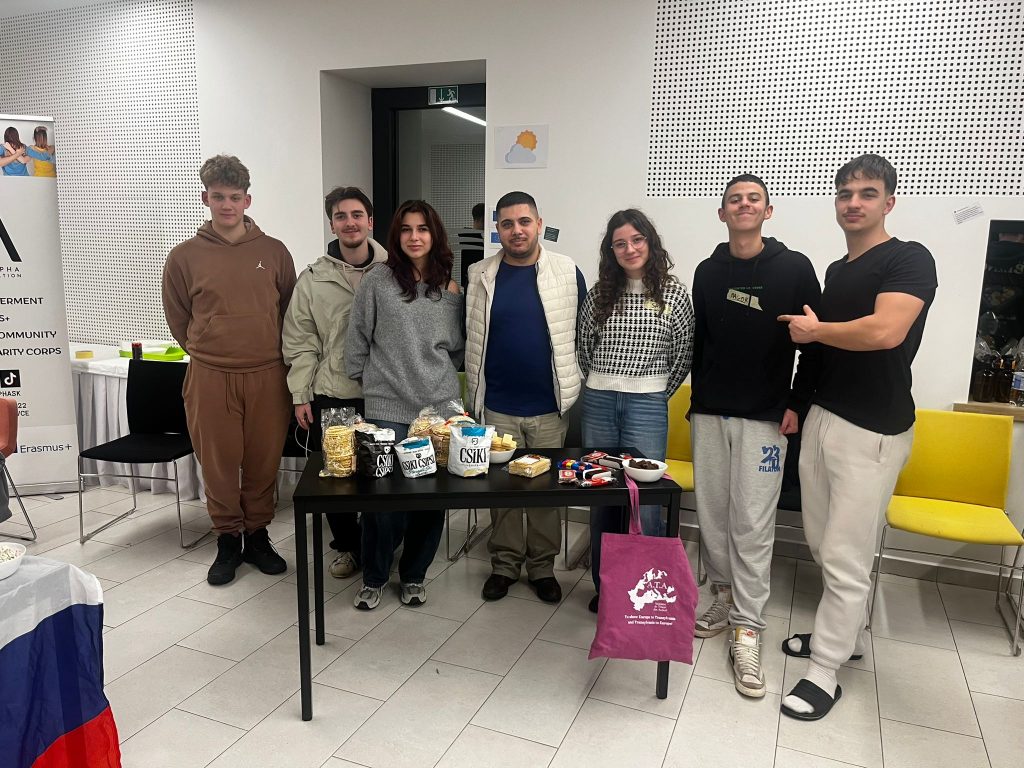
Of course, cultural exploration was also an essential part of the experience. On Sunday, we visited the magical medieval town of Sighișoara, dressed in autumn colors, and during the evenings each country had the chance to present the best of its culture – music, dances, traditions, and delicious treats. The atmosphere was always lively and joyful, making the entire week feel like a true international journey.

On the final day, the group reflected together on the experiences of the past week, looked back on their personal growth, and received their Youthpass certificates. The farewell – in harmony with the season – was a Halloween-themed celebration, both touching and cheerful, filled with hugs, gratitude, and laughter. We hope the friendships built and the knowledge gained during this exchange will stay with the participants for a long time.


0

News

Between 18–25 September 2025, our town once again welcomed international young people who took part in the “Life Skills for Students” youth exchange. During the eight-day program, participants from six countries had the chance to learn and grow together. The aim of the youth exchange was to help participants acquire practical skills that are useful in everyday life and in their future careers – including communication, problem-solving, financial literacy, and digital competences.


Learning, experiences, community

Throughout the program, the young participants discovered the power of non-formal learning through a variety of methods – interactive workshops, team games, treasure hunts, and collaborative projects. The first day was all about getting to know each other, followed by activities on stress management techniques, survival and first aid skills, as well as lessons on active citizenship. On the “Skill Market” day, participants had the chance to learn from each other, covering topics such as personal finance, herbal knowledge, technological innovations, and first aid.


In the second half of the program, the focus shifted to communication and public speaking, financial and event planning skills, as well as digital tools and content creation. Participants also created CVs, motivation letters, and even video CVs – gaining immediately applicable experiences and insights.


Community spirit and cultural diversity

The professional program was complemented every evening by colorful cultural nights, where participants from different countries showcased their traditions through dances, food, music, and games. Shared celebrations, birthday surprises, and excursions – such as the trip to the medieval town of Sighișoara – created unforgettable memories for all.


Involving the local community was also an important element: by joining the “Let’s Do It, Romania!” movement, the participants took part in a clean-up action together with locals in Cristuru Secuiesc.

A week that leaves a mark

During the “Life Skills for Students” youth exchange, the young people not only learned new skills but also built friendships, gained confidence, and discovered that the power of cooperation in a community goes beyond borders.

Our international youth exchange program was not only full of experiences, but it also contributed to the development, openness, and sense of responsible citizenship of the young participants.


0