SEARCH
News

Have you ever felt hesitant to show your true self, fearing rejection or judgment from others? Have you ever found yourself at a crossroads, unsure of which path to take in your journey of self-discovery?

If your answer is yes to any of the above questions, then this training is for you.


We are inviting you to a wonderful small town in Italy rich in history, art, culture and nature. Leonardo da Vinci’s hometown waits for you with a fantastic journey during which the focus will be on self-discovery, self-awareness and the power of vulnerability that allows each participant to unlock their true potential and embark on their own path following their times, needs and will.


Who can participate in the training?

  • Motivated youth workers/educators who have turned 18
  • Those who speaks English at a good communication level
  • Those who are blessed with good communication skills
  • Those interested in self-reliance, mental health, and well-being, able to be honest and open with themselves and the group, and to open up their emotions through art and creativity without judgment
  • Those available between 1-9th of July, 2024
  • Those who is not afraid of being active in a multinational community
  • Those willing to share what they have learned and achieved during the training after the activities


Participation in the training is free, with travel, accommodation, and meals provided by the Erasmus+ program.

Before submitting your application, please carefully read the English information package available HERE to be fully informed.

You can apply on SALTO by clicking HERE until May 24, 2024!

0

News

Three motivated young people visited Spain’s beautiful province of León between 23-28th of April 2024 to discover the entrepreneurial opportunities, good practices, and secrets of maintaining mental wellbeing in rural areas. Read their report below.


Nestled within the tranquil landscapes of Bierzo, Peón de Arriba emerges as a beacon of renewal—a village once forgotten, now pulsating with energy and promise. This transformation found its essence in the convergence of cultures and dreams, as students from across Europe gathered to explore the realms of rural entrepreneurship in an Erasmus program unlike any other.


The program’s agenda was carefully crafted to blend education with adventure, offering a diverse array of workshops, outdoor activities, and cultural exchanges. From brainstorming business models to traversing the breathtaking landscapes of Bierzo, every moment in Peón de Arriba was an opportunity to expand horizons and embrace the unknown.


Participants dived into immersive workshops where they learned to develop business plans and innovative strategies for rural entrepreneurship. Guided by an experienced mentor, they explored the intricacies of market analysis, branding, and sustainable development, gaining practical insights that transcend traditional classroom learning.


Beyond the confines of the workshop, Peón de Arriba beckoned with its natural wonders—a paradise for outdoor enthusiasts and adventure seekers alike. Participants embarked on treks through lush forests, discovered the ancient ruins of Roman mines, and immersed themselves in the rich cultural tapestry of the region.


As the sun set over the horizon, the village came alive with the laughter and camaraderie of newfound friends. Here, amidst the ancient echoes of the past and the whispers of future possibilities, participants discovered the true essence of entrepreneurship — not merely as a means of financial gain, but as a journey of self-discovery and communal upliftment.


As the program drew to a close, Peón de Arriba emerged not just as a village, but as a symbol of hope and possibility—a place where dreams take flight, and aspirations find wings. In the heart of “Empty Spain,” amidst the rolling hills and whispering forests, lies a sanctuary for those who dare to dream, to explore, and to embrace the journey of entrepreneurship with open hearts and open minds.


0

News

Between March 7th and 12th, two young people from Transylvania, Gabi and Máté, took on the world by the scruff and set out to explore Spain, more precisely the beautiful city of Toledo, where the author of Don Quixote lived for a short while. In contrast to Don Quixote, Gabi and Máté didn’t engage in windmill battles but participated in a very important and interesting training focusing on digital youth work.

During the training, they learned to use digital tools such as the Canva online visual editor, the Padlet digital pinboard, the YouCut video editing application, furthermore, among others they enriched their toolbox with a wide range of digital events for young people using the art of photography. Additionally, they got to meet with 20 young people from 9 countries from all around Europe with hopes of future collaborations.
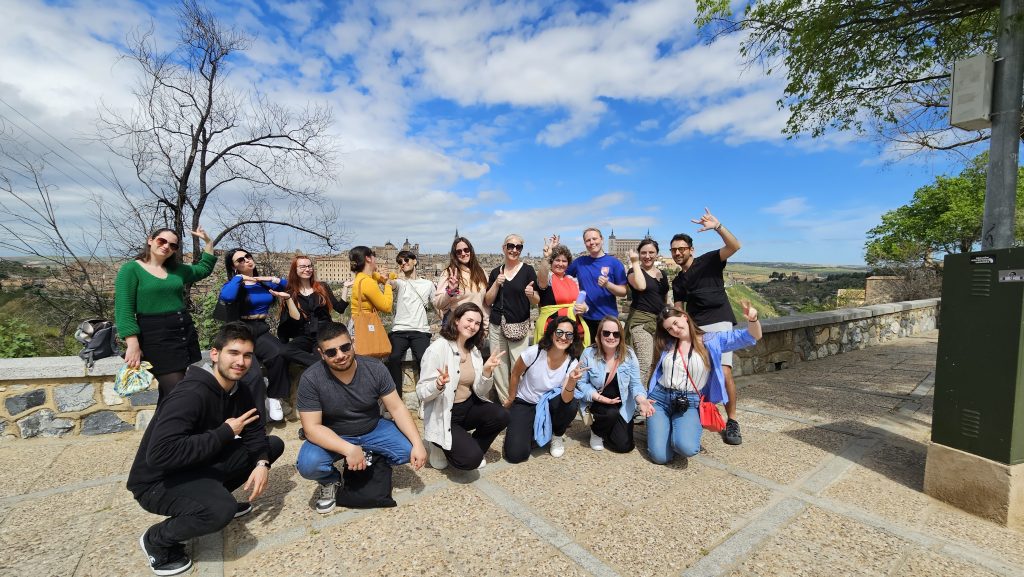

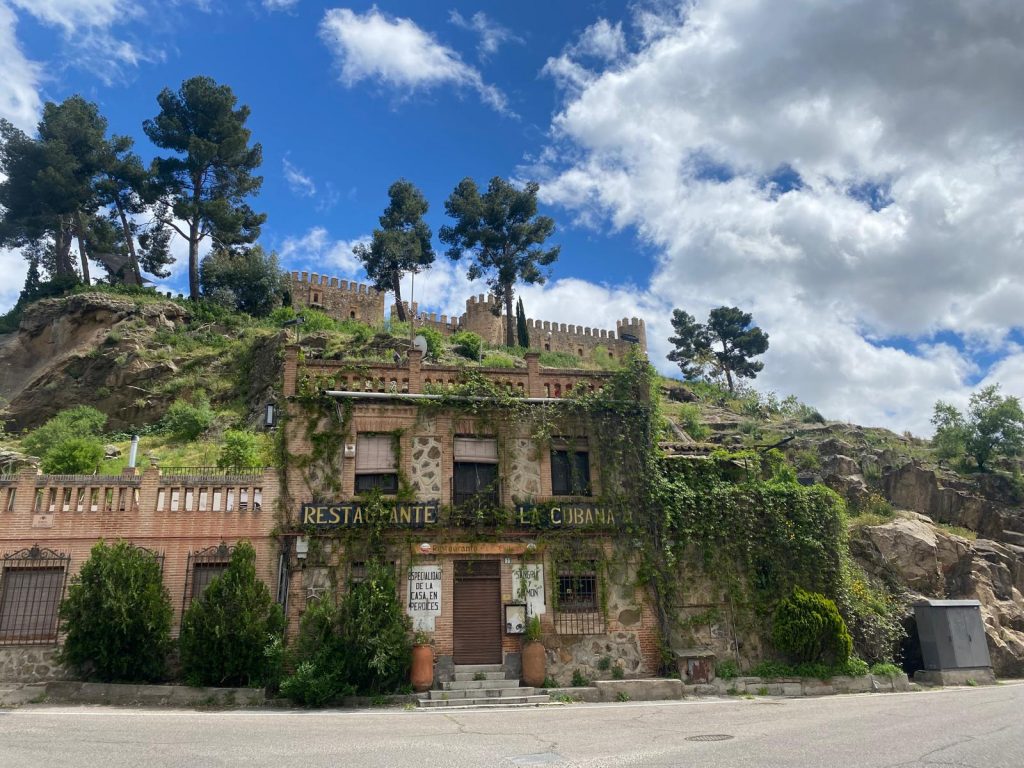
„Upon our arrival day, after settling into our beautiful accommodation at the Castillo de San Servando castle (the picture below on top of the hill), we had a Spanish dinner followed by a quick introduction session with the participants and the hosting team, where we got to taste popular Spanish drinks and snacks.

The first day of the training was all about getting to know each other. We played icebreaking games and created a digital map where we marked the sending organizations of all participants, along with a short description of each contact. Alongside, we gained insight into the concept of the YouthPass, and each team presented briefly what their organization is involved in.
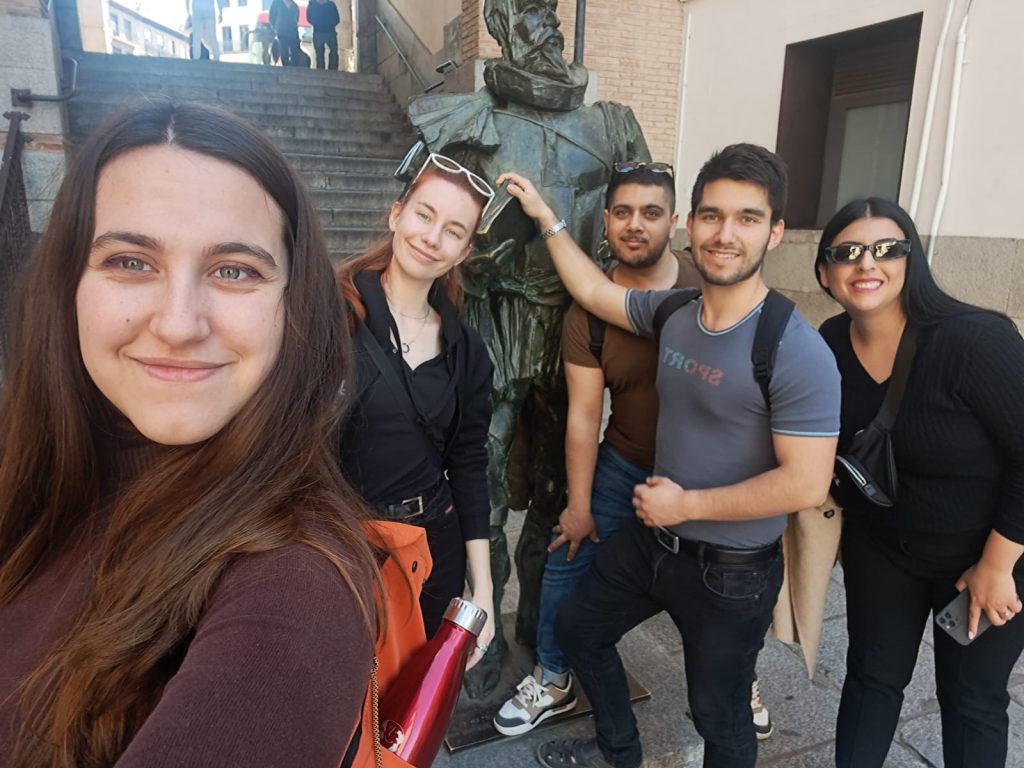

The second day marked the beginning of the actual work. Through several discussions, we tried to define the exact responsibilities of a digital youth worker and the toolkit necessary for navigating the online world effectively. A significant part of the morning was dedicated to a workshop on Canva visual editor, where we learned the basics of digital editing and design. We practiced by creating an infographic about each national team’s sending organization.

In the afternoon, we embarked on an exciting treasure hunt within the ancient walls of Toledo using the Actionbound digital treasure hunt app. For us, this was perhaps the most interesting part as we explored cultural and historical sites such as the statue of Don Quixote and the Toledo Cathedral. At the end of the treasure hunt, the winning teams (actually everyone) enjoyed a delicious Spanish dessert: churros dipped in hot chocolate.
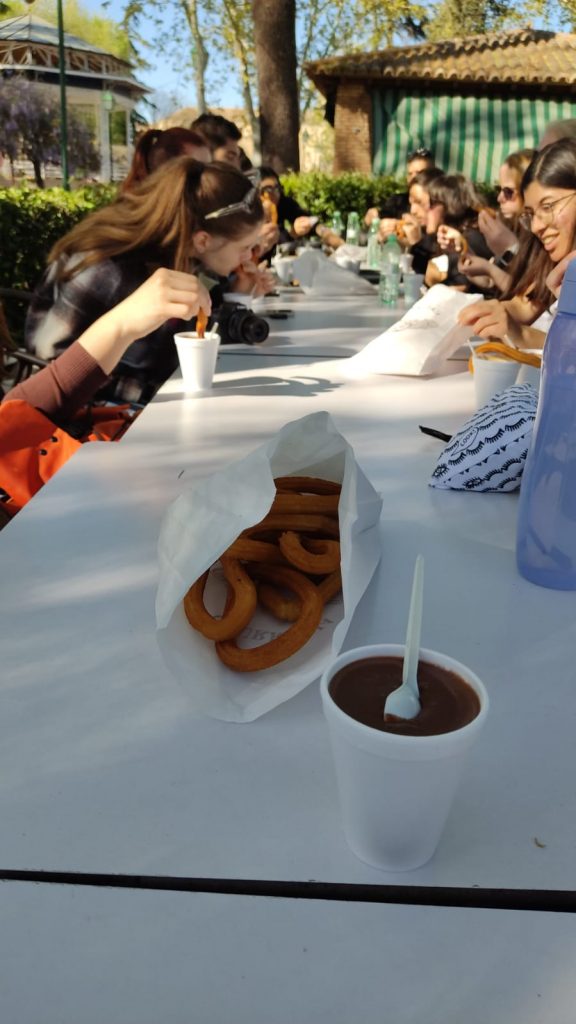

On the third day, we learned the basics of video editing using the YouCut application. We were given two practice tasks. The first task was to create a short video about the goals and activities of our sending organizations individually. The second task was a team assignment where each team had to roam the streets of Toledo again, interviewing tourists and locals about a self-chosen topic, capturing it all on video which made our task a little more difficult, but in the end all the groups successfully completed the assignement.

In the afternoon, we visited the house of El Greco, where he created a substantial amount of his artworks.


The fourth day delved into online communication and activities that can be conducted in the online world. We explored how the Actionbound app works and in pairs examined each other’s organizations’ online platforms, providing each other with valuable advice on how to better manage these platforms.

We also explored the wide possibilities of photography in digital youth work, and took part in a photo challenge where we had to submit two pictures with different techniques, e.g. playing with light, colours, perspective, etc.
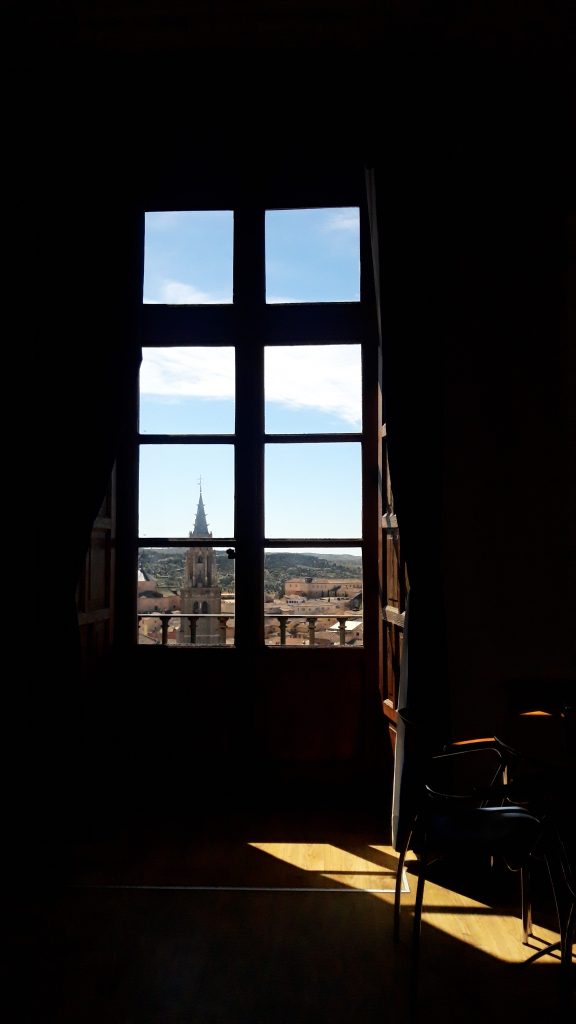

On this day, we had an interesting experience. As a free activity, we went to explore the sights of Toledo and visited a church that used to be just that in the past, but now it serves multiple functions, including as an entertainment venue and concert hall. It was an interesting feeling, mixed emotions of both coolness and strangeness (We could not take a picture of the church due to our surprise, so below is the cathedral of Toledo).
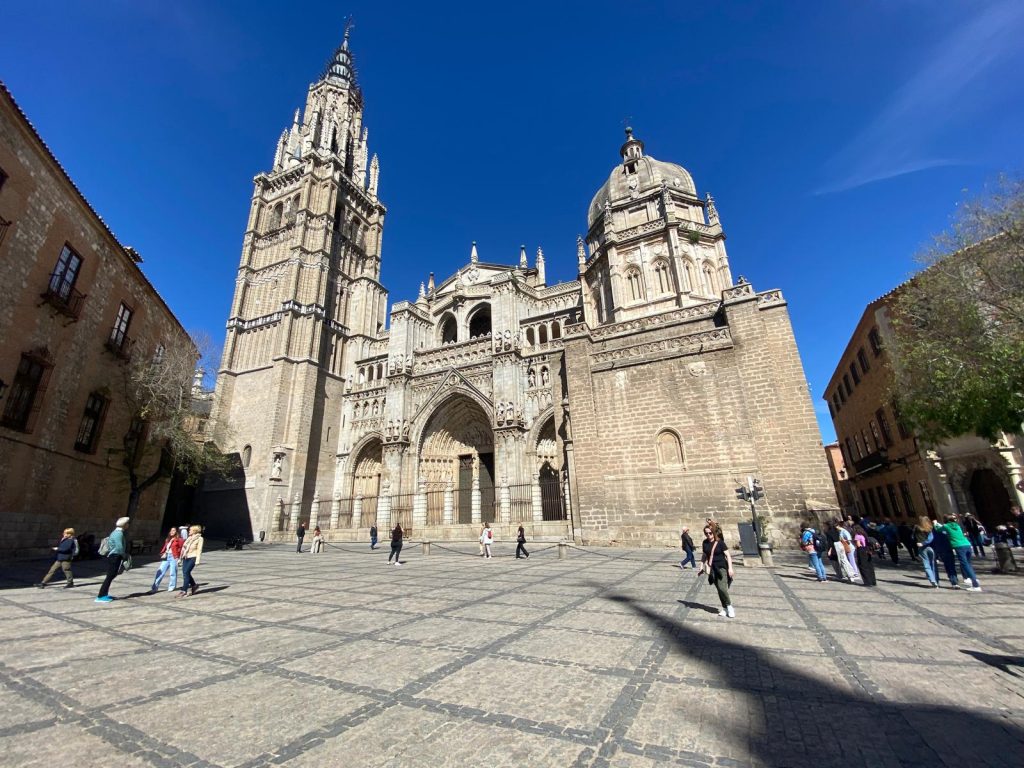

On the fifth and final day of the training, each team had to come up with an activity utilizing the knowledge gained during the training course. We have come up with a very cool project for next year (similar in structure to our Green It Up project, if you might know it, if not, visit the ATA platforms to find out more), where we will introduce young people to the digital tools and activities we have learned here.

Last but not least, we also organised a brainstorming session on the profiles and themes of future joint projects in collaboration between our organisations.
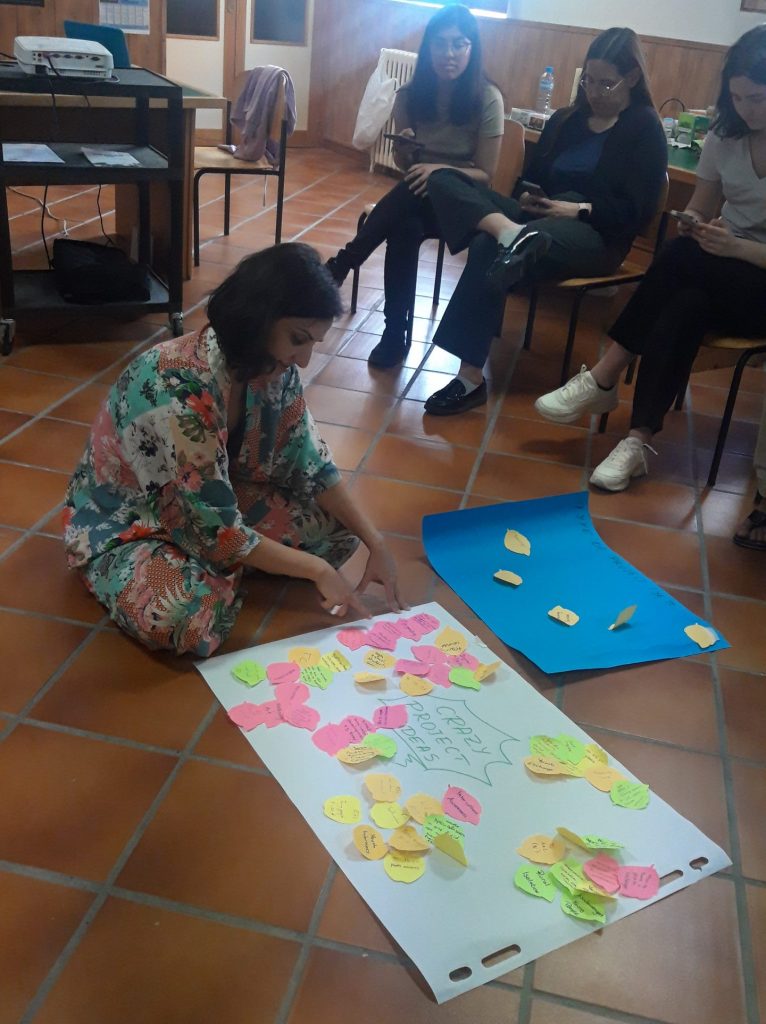

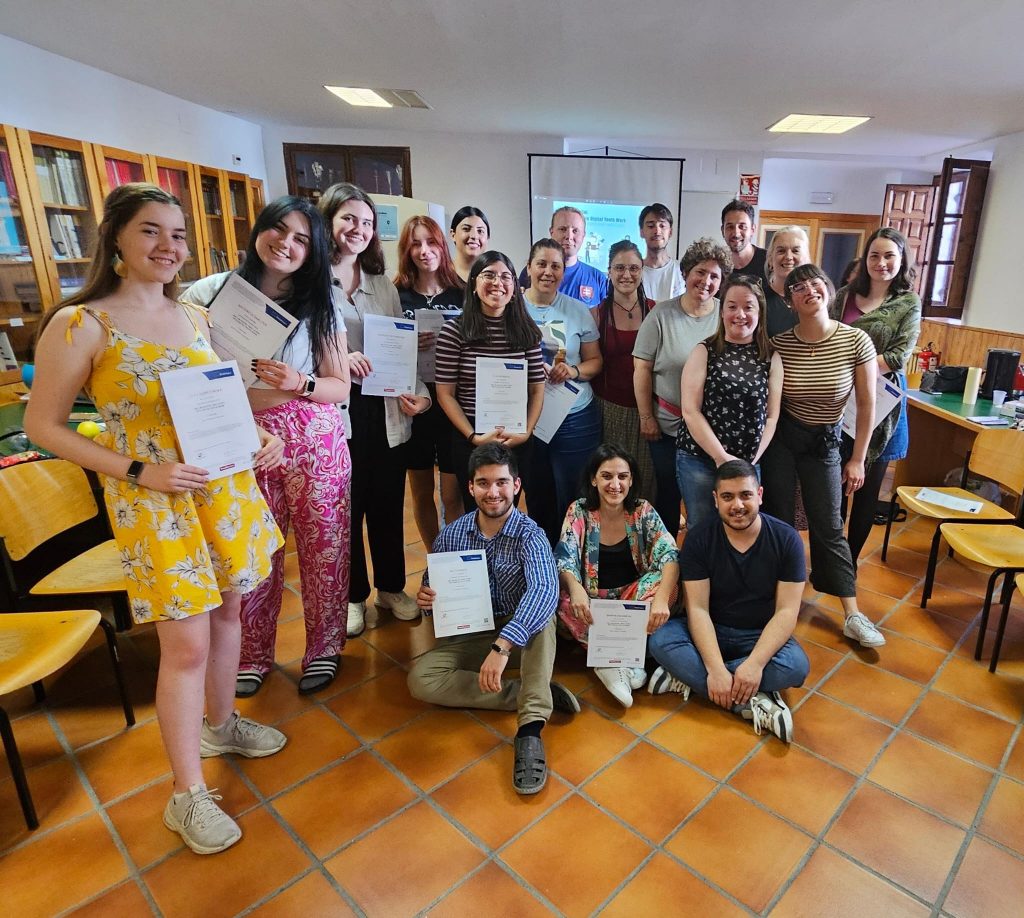
The rest of the day involved the final evaluation and receiving the YouthPasses, followed by bittersweet goodbyes as everyone headed back to their respective countries, big or small.

These few days in Spain, particularly in the incredibly diverse and interesting city of Toledo, were fantastically good, exciting, interesting, and educational. Anyone visiting Spain should definitely not miss out Toledo.”

0

News

As we have reported several times on our social media pages, in October we launched the Student Council of the town of Székelykeresztúr thanks to the European Youth Foundation. Our goal was not only to recruit a team of young people and students, but also to equip them with skills and abilities that will be of great use in their work.


In the period from October to January, young people participated in several short trainings and lectures on communication, research and data analysis, negotiation techniques, decision-making and lobbying, conflict management. In addition, several team-building activities took place to establish and maintain cooperation.


Already during the trainings, young people had the opportunity to get to know the deputy mayor of the town more closely, as well as the decision-making processes at town level. In order to deepen the relationship with the local government and to start working together, some representatives of the student council attended a meeting at the town hall. During the meeting, they toured all departments of the institution, deepened their knowledge about the structure of local government, and presented the results of the research they started back in February. The research aims to create a community space where young people can spend their free time actively.


The student council is already preparing a calendar of events, as they are already ready to implement their own ideas at town level. We will report on them soon, in the meantime, follow our social media platforms and website for the newest information.

0

News

In the last week of March, as Easter approached, an exceptional opportunity arose for three young people from Transylvania to participate in a unique journey. From March 24th to 31st, they embarked on a journey towards their inner child. Our team of three embarked on this self-awareness journey to Klaffer, a small Austrian village, to participate in the SOULFUL: a path to embrace your Inner Child training organized by our partner Kinderfreunde. Read on for their report.


The journey wasn’t without its hiccups, but we managed to turn the long wait to our advantage. Before our training, we explored the beautiful downtown of the capital, rich in classical buildings.


Arriving in Klaffer, in the beautiful venue of Mühlviertel, after enjoying a warm dinner, we immediately began getting to know each other in a playful way. We ended the long day with rest, acquainting ourselves with our temporary home.


We started the first day by getting to know each other on a deeper level, aiming to become a real team for smooth collaborative work. In addition to games, we gained some basic psychological knowledge, focusing on self-awareness and connecting with our inner child through artistic and communicative activities. The group quickly bonded, as shared board games and conversations became a familiar routine after meals.


The second day focused on exploring the sources of our everyday behaviors and manifestations based on the theories of psychologist Eric Berne, and we examined the roles we play in different life situations. We quickly put theory into practice by creating short plays, and in the afternoon, we delved into one of the most unconventional trends in literature: the Dadaism of the 20th century. The emphasis here was also on experiential learning, so we immediately engaged in entertaining creations.


One of the highlights of the training was the cultural evening, where participants from eight countries had the opportunity to introduce the group to the food, customs, dances, and backgrounds of their own countries. Our team provided a taste of Romanian, Hungarian, and Szekler cultures, which naturally included dancing and toasting.


On the third day, another art form took center stage: the art of photography, which allowed us to become writers and poets again for a short time. During our improvised exhibition, we got a glimpse into the wonderful world of Vivian Maier’s photographs. In addition to the continuous team-building and self-awareness exploration, the afternoon was spent deepening our relationships and tuning into each other, during which we indulged in “positive gossip” divided into small groups.


“Fun is a serious thing.” This was the motto of the fourth day, which allowed us to fly back to a happy childhood, reliving the joy and curiosity of being a child, which still lies deep within us. We rediscovered the pleasure of small things, such as blowing bubbles, and then playing our favorite childhood games again. In the afternoon, we participated in a special program as we visited the Villa ingenious, Museum of Perception.


By Friday, we could consider ourselves a tightly knit team, so we were tasked with putting together our own play, which was performed at the end of the day. In our performance, we tried to summarize the activities and lessons of the week in a humorous, playful, and occasionally deep way, which we also formulated during the evaluation on the last full day.


With a heavy heart, we bid farewell to Klaffer on Sunday, which had become our home over the past week, as it was also a spiritual journey that enriched us with unforgettable experiences and memories. Close relationships were formed as we quickly tuned into each other while trying to connect with ourselves, our inner voices, and, most importantly, with the sincere, liberated, curious, and playful child within us.

0

News

We have reached the end of our first training session of the year 2024. Committed and motivated participants from 10 countries, including Turkey, Greece, Bulgaria, Hungary, Croatia, Slovakia, France, Poland, Spain, and Portugal, joined us to further develop the skills they will apply as future teachers and trainers in educating the next generations.


Unlike the usual location in the center of Cristuru Secuiesc, this time we held our program in a more spacious environment thanks to the Sóskút Hostel with unexpected but warmly welcomed guests in the form of two deer and a fox.


Our first day focused on getting to know each other, exploring each other’s and the project’s background. After team-building games and naming our hopes, fears, and rules, participants went for a city tour, which was unfortunately shortened by the weather. However, this did not deter the group, and they returned to their exploratory tour in the following days. As a conclusion to the day, we organized the now-traditional intercultural evening, where everyone brought typical snacks and drinks from their own countries.


On the second day, we delved into learning methods, different educational systems, trainer responsibilities, as well as communication and body language, through various group and individual tasks. At the end of the day, among various non-formal methods, role-playing and the Coffee Chain Game resonated most with the participants.


The focus of the next day was primarily on group dynamics and conflict resolution, followed by individual development targeting active listening, our own behavioral patterns, and the study and practice of vocal elements of speech. The day ended with exploring individual learning styles and completing a personality test.


Our training’s fourth day was also intensive for our participants. They learned how to give feedback properly, presented theater performances on various mistakes a trainer can make during a session, and delved into exploring SMART goals. Alongside the wealth of useful information and work, entertainment was not neglected. Some participants organized a game night, welcoming fellow participants with poker, jungle speed, uno, and many other interesting games.


On the fifth day, participants finally reached the practical point of the training when they began preparing their own plan. Of course, after a long week of hard work, they deserved some brief cultural leisure time. Therefore, we changed the location of the activities to the beautiful streets of Sighisoara, where participants discovered the beauty of the city, tasted traditional foods, and admired the colorful and atmospheric buildings. Last but not least, they also visited Dracula’s birthplace, a must-seen part of Transylvania.


Approaching the end of the project, on the sixth day, roles were reversed, and the participants became the trainers. We heard 8 sessions on various topics, chosen and developed by the groups themselves. The short trainings were related to the following topics:

  • Gypsy Culture
  • Aphrodite’s complex
  • Stress management
  • Gender equality
  • How to teach ADHD students successfully
  • The risks of the internet
  • Sustainable tourism
  • Subjectivity of truth

To ease the excitement and nerves, participants organized a Guessing Game Party in the evening, where eventually forming one big team, they played for the ultimate secret prize.


We couldn’t spend the last day any other way than by immersing ourselves in the labyrinth of memories and bringing forth the knowledge and emotions accumulated throughout the week. After participants wrote their YouthPass, which certifies the competencies developed during the training, we jointly evaluated the week with a good conversation and started bidding farewell with “sometime, somewhere in Europe, we will meet again” sentences.


Summing up the results of the 7-day training, we have a successful project behind us, which dealt with useful and much-needed topics, as judged from the pictures and feedback. We are grateful to the Erasmus+ program for the funding, to the partners for their assistance in selecting and preparing the participants, to the trainers for their selfless and persistent presence and help, and finally, to the members of the teams for their unwavering dedication and interest in our training.


0

News

Once again, on March 15th, the anniversary of the Hungarian revolution of 1848 is celebrated in Cristuru Secuiesc. Alongside this day, not only the characteristic Hungarian spirit of this region in Transylvania, but also a grand march of several hundred people flooded the streets.


Spectators enjoyed a morning filled with folklore and multiculturalism in the town center. The community’s presence is virtually total. The entire town gets involved in celebrating its idiosyncrasy and uniqueness.


Accompanied by the music orchestra, many students walk through the streets of Cristuru to reach the center. Students who preserve their culture and enthusiastically promote it to the next generation.


Listening to Hungarian chants and enjoying what seems to be very common here, vibrant voices that send shivers down the spine. Followed by a showcase of dances by young students from Orbán Balázs High School, Berde Mózes Unitarian High School, and Petőfi Sándor Elementary School.


The festivity also stands out for its gastronomy, where attendees can savor traditional Hungarian dishes prepared by locals, such as gulyás (beef stew) or langos (a kind of fried bread). This culinary experience adds another level of authenticity to the celebration, immersing attendees in the rich culture and traditions of the Hungarian people in Transylvania.


Furthermore, throughout the day, cultural and educational activities take place, such as local art exhibitions, talks on Hungarian independence history, and theatrical performances narrating the key events of 1848, presented by the students of Zeyk Domokos Technical School. These activities not only entertain but also educate younger generations about the importance of preserving the cultural heritage and historical legacy of the region. In summary, the anniversary  of the Hungarian Revolution of 1848 in Cristuru Secuiesc is not just a festive event but also an opportunity to strengthen community ties and pass down traditions to future generations.

0

News

The week between the 2-10th of March was very productive and full of excitement. Andreea Staicu, Ana-Maria Răducan and Teodora Răducan are the participants who represented Romania in the InFormal Creativity: Go Visual project, organised in Lisieux, France, by the LeLab Lisieux Normandie Association together with participants from Spain, Greece, Italy, Poland, Germany, Lithuania, Turkey and, of course, France.


The first day was about getting to know each other and working together, using of course creative methods of expression. Each participant had to draw their name without using letters and then introduce themselves to each other. Another getting-to-know-you game, in which participants asked each other questions, helped to build group cohesion and create a space of mutual trust and support.


Then we all received drawing materials and were able to experiment with all sorts of materials together, so that day by day we all deepened graphic and composition techniques, basic elements for visual presentations. We started with frames inspired by our surroundings and not only, then moved on to creative and colourful fonts, contrasts and created a poster that brought together all the elements we learned in the early days.


Mind-mapping sessions and infographics followed. Each participant represented themselves with a mindmap and then, in groups, we made infographics about the project or interesting topics in order to practice what we learned.

We then discussed about presentations and the importance of visuals in creating an interactive presentation. We started with an example and, in pairs, analysed it and translated it into images to convey the content in a more engaging way.


As a final assignment, the participants worked either in groups or individually to create visual materials for a personal project, using the knowledge they had acquired throughout the training. Two groups created boardgames, one group created a poster, one participant created a presentation on art therapy and another on the negative effects of digital addiction and how to use social media and the phone less.

The whole process was concisely and professionally structured and facilitated by Eduard and Vera. They encouraged us throughout the week, guided us and helped us learn in a creative environment, working together to improve everyone’s creative skills.


In addition to the project activities, intercultural evenings were organised, where each country briefly presented their culture, traditions, landscapes, made interactive quizzes with prizes or danced traditional dances together.


Moreover, each evening was also marked by extra activities such as: improvisation theatre workshop (facilitated by Ana-Maria, Andreea and Teodora), art therapy (Joanna), doodling (Eduard), human library (Tobi), zentangle (Vera), dymanic drawing (Estel, Lucia and Julia). All these activities, together with the enthusiasm of all the participants and the desire to learn from each other, created a unified group, where we helped and encouraged each other and spent nice time together.

We also visited the towns of Deauville and Trouville on the Atlantic coast of France and a cider-making farm on our free afternoon.


Although the participants have now returned to their homes, the project is not over yet. Next up is the dissemination part, where teams from each country will implement what they have learned by organising workshops in their communities. There will also be a 10-day drawing marathon, where each of the participants will be able to rediscover and put into practice what they have learned in the training.


0

News

March 17 marks the beginning of our first training of the year, supported by the Erasmus+ program, where topics essential for educators such as communication, behavior, conflict management, learning methods, training objectives, and many more will be highlighted.

A total of 22 participants from 11 countries will attend the program: Spain, France, Slovakia, Poland, Hungary, Portugal, Greece, Bulgaria, Croatia, Turkey, and Romania.


During the week-long training, participants will delve into the following topics:

  • How do we learn?
  • Duties of the trainer
  • Training phases
  • Communication process
  • Body Language
  • Insights into group dynamics
  • Conflict resolution
  • My own behaviour
  • The tone
  • Active listening
  • Learning styles Classification of learning methods
  • The 20 peaks blunders during performance
  • How to Give and receive Feedback
  • How to prepare a session


This will be followed by the preparation of their own session, which will be put into practice among the participants in front of each other.

All activities will be implemented through non-formal learning methods.


In addition to learning, the programme also offers the opportunity to explore the local area. On the fourth day of the training, participants will have the opportunity to take part in an organised tour to discover the old town of Sighisoara, with its rich cultural and historical heritage. The training will take place from 17th to 23rd of March, in the framework of our Youth Startegy.

0

News
Hello! I’m Undīne from Latvia. I arrived to Romania in November. I’m part of a 10-months long project, the ninth edition of ‘Development Support for Transylvania’, which takes place in a little town, called Cristuru Secuiesc. Currently, there are 6 of us in the project – Daisy from Italy, Murat and Senol from Turkey, Alejandro and Abde from the Canary Islands. We all live together in this international household, the so-called “Yellow House”. Life with so many people from different cultures is not an easy ride, but one that is worth taking: we learn something new about each other everyday.


My daily life here involves understanding the currency in euros, hearing church bells every day, walking to the kindergarten and helping out in the library. One of my goals is to improve my English language skills – it’s essential to speak English in your daily life here, as well as to learn Hungarian as a part of my experience.


If you are curious of all the things I am doing here, these are some of the places where I have been volunteering at:
At the local kindergarten, where we speak simple English with the kids, hold some interactive activities, draw and paint. It is my personal favourite activity, the kids are very sweet and talkative, although I do not understand Hungarian, so our conversations are one-sided.

In the library, I organize books (hence my book-tree, that was very successful during the holiday season) clean spaces, and create decorations.


When I am working in the office, I can show off my craftsmanship, by designing and creating some tools for the local events ATA organizes: I’ve made crowns for stork balls, decorated the office Christmas tree, and designed numbers for an advent calendar.

Occasionally we are invited to hold some activities in the after-school program of the local elementray students. We try to be very creative with these, play, dance after the long hours they have spent sitting and learning.


In order to make learning English more interactive, we hold lessons for grades 8 to 12. When I was in school, we chose the theme of traveling so that students could get to know more about and discover popular dishes and people from our countries of origin. The students enjoyed this topic, some of them even had personal stories to tell from when they had a trip to other regions.

At herbalism, we prepare deodorants, fill bottles with oils, and syrups, using all natural ingredients.


Places I’ve visited:
– Cristuru Secuiesc museum
– Sighisoara to explore the entire city, see the church, and visit the museum
– Csík to get acquainted with other volunteers
– Went to a cinema theatre for the first time in Romania.
0